 DatingHIV.com
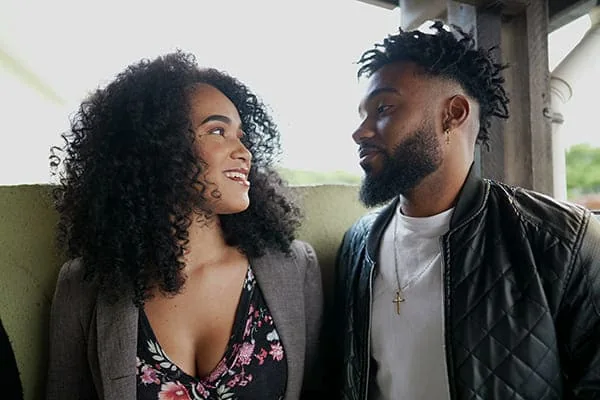
People Beyond a Diagnosis
HIV-positive singles have different personalities, routines, ages, and ideas about love. Someone may want a partner for everyday life; another person may enjoy dating without a long-term promise. Treat a shared status as one possible point of understanding rather than evidence that two people are compatible.
Look for details that invite a real exchange: an enthusiasm for cooking, a favorite kind of music, a way of spending a quiet Sunday. Asking what someone likes about an interest usually creates a better opening than asking them to explain their diagnosis. You can make room for health conversations without allowing them to take over the entire introduction.
Compatibility also includes how you feel around the person. Do you feel listened to? Can you disagree over a small preference? Does their interest extend to your life beyond HIV? Those observations give you information that a label cannot provide.
Your Relationship Invitation
Name the relationship you would welcome in language another person can act on. “I would like to date someone regularly and see whether we want commitment” communicates more than “open to anything.” It offers direction without pretending you can predict the outcome of a first conversation.
The relationship goals overview separates casual dating, companionship, and commitment so you can compare the actual expectations behind those words. You can have more than one interest, but explain how they fit together. Wanting friends as well as romance does not mean every friendship carries an invitation to intimacy.
A useful invitation includes one concrete detail about time or lifestyle. You might prefer weekend dates, enjoy a slower introduction, or be willing to consider distance for the right connection. These details help another person decide whether your lives could overlap, rather than merely whether they like your photograph.
People Identities and Changing Lives
Your circumstances can shape a dating experience without deciding the relationship you must want. Explore the questions closest to your life, while remembering that no identity creates one uniform story or a separate medically verified membership pool.
- Culture and background: Black singles, Latino singles, and Asian singles can consider shared experience, individual attraction, and privacy without accepting stereotypes.
- Identity and recognition: bisexual dating, transgender dating, and nonbinary dating separate personal identity from assumed relationship roles.
- Life and responsibilities: young adults, single fathers, and family caregivers may need different forms of time, autonomy, and privacy.
- Values and daily access: faith, disability, and remote work can affect how a relationship fits ordinary life.
If you are returning after widowhood or a long break, give that transition its own room.
A quieter introduction can suit someone who enjoys less social pressure. If time is limited, choose a schedule that fits busy weeks so a first invitation is one you can actually keep.
Local or Farther Away
Local dating makes it easier to see ordinary life: meeting after work, rescheduling without buying a ticket, and gradually getting to know each other's routines. International or long-distance dating can widen the people you encounter, but it adds travel costs, time-zone differences, and a need for more deliberate planning.
Be honest about your real willingness to travel. A profile that says “anywhere” can sound inviting until every possible visit becomes impossible. Decide what journey you could make more than once, not just for a romantic first meeting. You can change that boundary as your circumstances change.
If distance appeals to you, begin with worldwide HIV dating and consider how a connection could move beyond messages. Neither local nor distant dating is automatically more serious. The useful question is whether both people can give the relationship a realistic place in their lives.
Different HIV Statuses
Some people prefer to meet another person living with HIV because less explanation may be needed. Others are open to a partner without HIV. Neither preference tells you how respectful, informed, or emotionally available a particular person will be. Avoid assuming shared status means shared treatment experience or identical privacy choices.
For partners with different HIV statuses, a reliable shared understanding matters more than anxious guesswork. Health decisions belong with qualified professionals and accurate information. You do not have to turn an early conversation into an exchange of records to find out whether someone can listen respectfully.
Keep the romantic question visible: do you enjoy each other, want compatible things, and make each other feel welcome? A good health conversation supports those questions. It does not replace them or create an obligation to continue dating someone whose expectations do not fit yours.
From Interest to Conversation
Move from a broad compliment to an invitation with enough shape to answer. “You mentioned independent cinema. Would you enjoy talking about your favorite film over coffee?” gives someone a topic and a possible next step. Leave space for a different suggestion or a polite refusal.
If you prefer a private introduction, private online dating choices can help you decide what to share at each stage. Privacy is compatible with warmth: you can reveal your interests and intentions while keeping your workplace, home address, and medical documents to yourself.
Before joining, choose one relationship direction and one way you would enjoy meeting. Then let an actual conversation add detail. The goal is to meet a person you want to know better, rather than construct a perfect profile that predicts every future possibility.
Questions About Meeting Singles
Do I have to want a serious relationship to begin?
No. Be clear if you want casual dates, friendship, or companionship. Other people need enough information to choose freely, and a change in expectations deserves a new conversation.
Is a shared HIV status enough to make a good match?
It may create common ground, but compatibility still depends on attraction, values, behavior, and availability. Give those parts of the person as much attention as the shared experience.
Meet HIV-Positive Singles
Meet HIV-Positive SinglesChoose the connection that fits your life, and let a conversation be the beginning.